
Reflection on the aspirations and voices of young people in South Africa
As South Africa commemorates Youth Month, the nation honours the courage, sacrifice and determination of the young people who helped shape our democracy. This year carries even greater significance as the country marks the Milestones of Freedom Campaign, with a special focus on the 50th anniversary of the 1976 Youth Uprising - a defining moment of youth-led resistance and the struggle for freedom.
Through these conversations, the MDDA highlights the critical role of community media in amplifying youth voices, fostering dialogue and creating platforms that inspire the next generation of leaders, entrepreneurs and changemakers.
Honouring the past. Delivering the future.
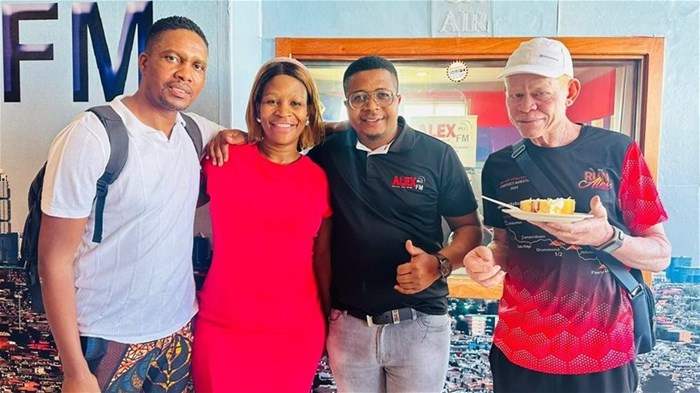
Alex FM station manager - Mr Takalane Nemangowe.
Q:Tell us about your station and your youth programming.
A: Alex FM is a community radio station that serves the diverse communities of Alexandra and surrounding areas. Our programming is designed to inform, educate and entertain while giving community members a platform to engage on issues that affect their daily lives. Youth programming forms a key part of our content, focusing on education, entrepreneurship, employment opportunities, social issues, health, arts, culture and personal development.
Q: How do you engage young listeners?
A: We engage young listeners through interactive talk shows, social media platforms, outside broadcasts, community events, competitions and open discussions on issues that matter to them. We encourage participation through phone calls, WhatsApp messages and social media interactions, ensuring that young people are actively involved in shaping conversations.
Q: Why is radio still important for young people today?
A: Radio remains important because it is accessible, affordable and trusted. It provides a platform for local stories and voices that may not always be represented in mainstream media. Radio also creates meaningful conversations, connects communities and offers valuable information that can help young people make informed decisions about their future.
Q: How do you ensure youth voices are heard on your platform?
A: We intentionally create opportunities for young people to participate as guests, contributors, presenters and community representatives. We encourage discussions led by youth perspectives and regularly invite young entrepreneurs, artists, activists and professionals to share their experiences and ideas.
Q: What does Youth Day mean to your listeners?
A: Youth Day is a reminder of the courage and sacrifice demonstrated by the youth of 1976. For our listeners, it is a day of reflection, inspiration and renewed commitment to creating opportunities for future generations. It also highlights the important role young people continue to play in shaping South Africa’s future.
Q: Are you planning any special Youth Day content or shows?
A: Yes. Alex FM will be featuring special Youth Day programming that reflects on the legacy of 1976 while addressing current youth challenges and opportunities. The content will include interviews with young leaders, entrepreneurs, activists, artists and experts discussing education, employment, innovation and social development.
Q: What are young people in your community talking about right now?
Young people are talking about unemployment, entrepreneurship, education, access to opportunities, mental wellness, digital skills, social media, crime, personal development and finding sustainable ways to build successful futures despite economic challenges.
Q: How does your station support youth development?
A: Alex FM supports youth development by providing information, mentorship opportunities, exposure to role models, skills development discussions and platforms for young people to showcase their talents and businesses. We also partner with various stakeholders to connect youth with opportunities that can improve their lives.
Q: What are the biggest challenges facing youth in your broadcast area?
A: The biggest challenges include unemployment, poverty, limited access to resources, crime, substance abuse and a lack of opportunities for skills development and economic participation. Despite these challenges, many young people continue to demonstrate resilience, creativity and determination.
Q: One word to describe today’s youth?
A: Resilient. Despite facing challenges such as unemployment, economic uncertainty and social pressures, today's youth continue to adapt, persevere and pursue opportunities with determination and optimism.
Q. One piece of advice to young people?
A: Never stop learning, believe in your potential, and create opportunities where others see obstacles. Your greatest asset is your ability to grow, adapt and turn challenges into steppingstones for success.
Q: One change you want to see in South Africa for youth?
A: I would like to see greater access to quality education, meaningful employment opportunities and sustainable support for youth entrepreneurship so that every young person has a fair chance to succeed.
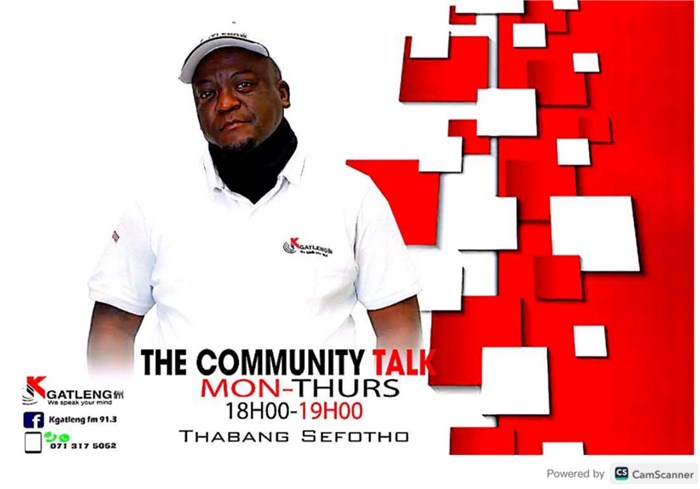
Kgatleng FM – Kealeboga Elias Monanyane (CEO)
Q: Tell us about your station and your youth programming.
A: Kgatleng Fm (91.3 MHz) is based in Moruleng, serving the Moses Kotane Local Municipality and surrounding villages, the station features a mix of 60% talk and 40% music primarily in Setswana.
We target the entire family and provide a platform to discuss issues and challenges faced by ordinary citizens; our music line up is diverse to cater to the different tastes and age groups.
Q: How do you engage young listeners?
A: We engage young listeners through interactive call-in segments and by using platforms such as WhatsApp, which allow them to participate, share their opinions and stay connected with the station.
Q: Why is radio still important for young people today?
A: Radio, like music, is a universal language. It offers a free and powerful connection to communities, crossing barriers of language, distance and background while giving people access to information, stories and voices that reflect their lived realities.
Q: How do you ensure youth voices are heard on your platform?
A: We ensure that youth voices are heard by promoting youth leadership opportunities and providing platforms that enable young people to express themselves, share their perspectives, and discover their unique talents and passions.
Q: What does Youth Day mean to your listeners?
A: For our listeners, Youth Day is a significant moment to reflect on the sacrifices of the 1976 generation while drawing attention to the challenges facing young people today. It provides an opportunity to amplify issues such as unemployment, limited access to economic opportunities, and the barriers many young people encounter in securing meaningful employment.
Q: Are you planning any special Youth Day content or shows?
A: Kgatleng FM is supporting Morwao Foundation, they are hosting netball and soccer tournament in Motlhabe village where Vendors are invited to come sell and display their products, we have allocated a time slot for the foundation on the day.
Q: What are young people in your community talking about right now?
A: Young people in our community are actively engaging in conversations around employment opportunities, skills development and career advancement. Local exhibitions and career-focused events, particularly those hosted at Moruleng Mall and Moruleng Stadium, have become important platforms for young people seeking information, networking opportunities and pathways to build secure and sustainable futures in challenging economic times.
Q: How does your station support youth development?
A: Our station supports youth development by broadcasting programmes that focus on entrepreneurship, skills development and innovation. These programmes equip young people with practical knowledge, inspire self-employment and encourage them to pursue opportunities that can contribute to their personal growth and economic empowerment.
Q: What are the biggest challenges facing youth in your broadcast area?
A: One of the biggest challenges facing young people in our broadcast area is substance abuse. Many young people have been admitted to rehabilitation centres, but relapse remains a significant concern, highlighting the need for sustained support, mentorship and community-based interventions. Addressing this challenge requires a collective effort involving families, schools, community organisations and government institutions.
Q: One word to describe today’s youth?
A: Connected. Today's youth are highly connected, with digital platforms and social media playing a central role in how they communicate, learn and express themselves. Their phones are never far away, and they are constantly engaging, creating and sharing content.
Q: One piece of advice to young people?
A: My advice to young people is to invest in their financial literacy and start saving early. Understanding how money works, developing sound financial habits and making informed decisions about spending, saving and investing can lay the foundation for long-term financial security and independence.
Q: One change you want to see in South Africa for youth?
A: I would like to see more young people building and owning businesses. Entrepreneurship has the power to create jobs, stimulate innovation and keep economic activity circulating within local communities. By empowering young people to become job creators rather than job seekers, we can foster inclusive growth and contribute to a more prosperous and resilient South Africa.
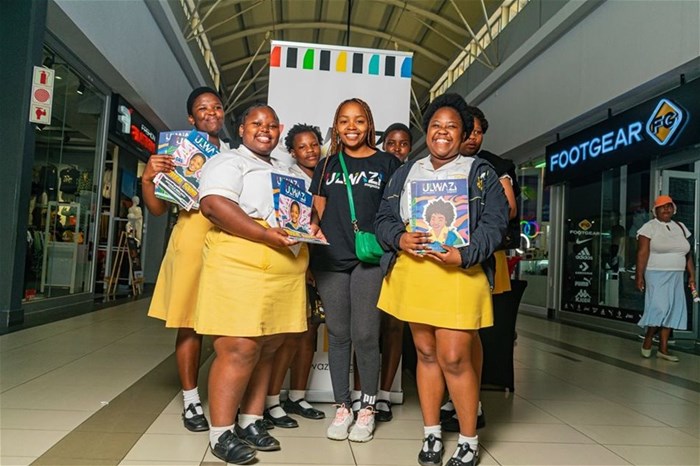
Ulwazi Magazine - Londiwe Msimang (Founder and Editor)
Q: Can you tell us about your publication and its role in empowering young people?
A: Ulwazi Magazine is a free bilingual youth magazine that educates, inspires and motivates young people between the ages of 13 and 19. We provide information on careers, education, mental health, entrepreneurship, social issues and personal development. Our goal is to give young people the knowledge and confidence they need to make informed decisions about their future.
Q: What inspired the creation of your platform?
A: As a former teacher, I saw that many young people in township communities did not have access to information and opportunities that could help them succeed. I wanted to create a platform that would bridge that gap and expose young people to new possibilities, ideas and opportunities.
Q: How does your publication give a voice to young people in your community?
A: We encourage young people to share their stories, poetry, artwork and opinions. We want them to see that their voices matter. Our platform allows young people to discuss issues that affect them and to learn from one another.
Q: What are some of the biggest issues affecting youth today that you cover?
Some of the issues we cover include unemployment, mental health, gender-based violence, bullying, career guidance, entrepreneurship and education. We focus on topics that are relevant to the daily lives of young people.
Q: What does Youth Day mean to you and your team?
A: Youth Day is a reminder of the courage and sacrifice of the young people of 1976 who fought for a better education and a better future. It reminds us that young people have the power to bring about change in society.
Q: Do you think today’s youth fully understand the significance of June 16?
A: Some do, but many only know the basic history. It is important that we continue to tell these stories so that young people understand the sacrifices that were made and appreciate the opportunities they have today.
Q: What challenges do young people in your community currently face?
Many young people face unemployment, poverty, limited access to opportunities, mental health challenges and social pressures. Some also struggle to access quality information that can help them make informed decisions about their future.
Q: What opportunities exist today that young people should take advantage of?
A: Young people have access to online learning, bursaries, entrepreneurship programmes, skills development initiatives and digital platforms that can help them learn, connect and grow. They should make use of these opportunities and continue investing in their education and personal development.
Q: Can you share a story of a young person impacted by your platform?
A: One of the stories closest to my heart is that of our lead graphic designer. He was once my learner when I was a teacher. Even back then, I could see that he had a natural talent for art and design, but like many young people, he was unsure about how to turn that talent into a career.
I spent time mentoring and encouraging him to pursue graphic design professionally. I helped him explore opportunities in the creative industry and showed him that his talent could open doors for him.
Today, he is the lead graphic designer on the Ulwazi Magazine team and plays a key role in bringing the magazine to life. Every issue that reaches thousands of young people carries his creativity and hard work.
For me, that is what Ulwazi Magazine is all about. It is not only about publishing stories; it is about helping young people discover their potential, believe in themselves and create opportunities for their future. Seeing a former learner grow into a skilled professional and become part of our mission is one of my proudest achievements.
It reminds me that when we invest in young people, we are not only changing one life, we are creating future leaders who will inspire and uplift others.
Q: What message would you like to share with young people this Youth Day?
A: Believe in yourself and never allow your circumstances to define your future. Continue learning, asking questions and pursuing your dreams. The future of South Africa depends on young people who are informed, confident and willing to make a positive difference. It belongs that take ownership of their lives and are confident enough to make bold progressive decisions.
Q: How do you see the future of youth media in South Africa?
A: The future of youth media is bright. Young people want content that speaks to their realities and experiences. We believe youth media will continue to grow across digital platforms, podcasts, social media and print, creating even more opportunities for young people to tell their stories and be heard.
Q: How has support from the MDDA contributed to your work and what impact has that had on giving young people a platform?
A: Before receiving support from the MDDA, Ulwazi Magazine was simply an idea in my hear, a vision to create a platform that would inform, inspire, and empower young people. The support from the MDDA helped turn that vision into a reality by providing the resources and capacity needed to establish and grow the magazine.
As a result, we have been able to create a platform where young people can share their stories, celebrate their achievements, explore career opportunities, and access information that supports their personal and professional development. The impact has been significant because many young people, particularly those from underserved communities, often do not have access to media platforms that reflect their experiences and aspirations. Through Ulwazi Magazine, their voices are being heard, their talents are being showcased, and they are seeing positive examples of what is possible for their future.
The MDDA's support has therefore not only strengthened our organisation but has also helped us create meaningful opportunities for young people to be seen, heard, and inspired.
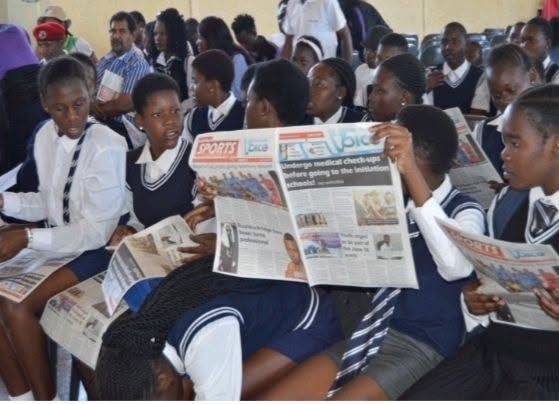
The Youth Voice Newspaper – Tumelo Lubambo Editor and Publisher
Q: Can you tell us about your publication and its role in empowering young people?
A: The Youth Voice was created to fill a gap in the media landscape. We felt there was a need for a publication that speaks directly to young people in a language they understand and can relate to. Too often, issues affecting young people are reported through statistics and numbers, but very little attention is given to the people behind those statistics. We wanted to ensure that young people are not only counted but heard. Our role is to amplify youth voices, tell their stories and create a platform where they can be seen, heard and celebrated.
Q: What inspired the creation of your platform?
A: The inspiration came from recognising that many young people had incredible stories, talents and ideas but lacked a platform to showcase them. Mainstream publications often focus on broader issues and do not always dive deep into the lived experiences of young people. We wanted to create a publication that documents youth journeys, challenges, achievements and aspirations while also connecting them to opportunities.
Q: How does your publication give a voice to young people in your community?
A: We give young people a voice by creating space for them to tell their own stories. We have dedicated sections for young entrepreneurs, community builders, poets, musicians, innovators and other change-makers. Many young people write to us directly and share their experiences, challenges and successes. We then publish and amplify those stories through both our print and digital platforms. Today, our digital platforms reach more than five million people every month, allowing local youth stories to reach national and even international audiences.
Q: What are some of the biggest issues affecting youth today that you cover?
A: The biggest challenges affecting young people in our area are unemployment and limited opportunities for further education and skills development. In many rural communities, there are talented young people with dreams and ambition but very few opportunities to advance their studies or gain meaningful employment. These challenges feature prominently in our reporting because they have a direct impact on the future of our communities.
Q: Can you share a story of a young person impacted by your platform?
A: One of the most inspiring examples is that of Aubrey Shabane, a self-taught innovator from Bushbuckridge who developed a robotic prosthetic arm to assist people living with disabilities. We shared his story through The Youth Voice, and shortly thereafter the SABC contacted him for an interview after seeing our coverage. An investor also reached out to us after reading the story. We personally facilitated the connection and accompanied Aubrey to meet the investor. Today, Aubrey has secured investment, is working on new inventions and has just returned from attending the Canton Fair in China, one of the world's largest trade exhibitions. His journey demonstrates the power of media to create opportunities and change lives.
Q: What does Youth Day mean to you and your team?
A: Youth Day is a reminder of the courage, resilience and determination shown by the young people of 1976. They stood up against political oppression and changed the course of our country's history. For us, Youth Day is not only about remembering their sacrifices but also about drawing inspiration from their bravery. While their struggle was largely political, today's youth face economic challenges such as unemployment, poverty and limited opportunities. We must be just as bold and determined in addressing these challenges.
Q: Do you think today's youth fully understand the significance of June 16?
A: Some do, but many still view Youth Day as just another public holiday. There is a need for continuous education about the sacrifices made by the youth of 1976 and the role they played in securing the freedoms we enjoy today. Understanding that history helps young people appreciate the responsibility they have to shape South Africa's future.
Q: What challenges do young people in your community currently face?
A: The biggest challenges are unemployment, poverty, substance abuse and a lack of access to quality education and economic opportunities. Many young people have the potential to succeed but are often limited by circumstances beyond their control. This is particularly true in rural communities where access to opportunities remains uneven
.
Q: What opportunities exist today that young people should take advantage of?
A: There are more opportunities available today than ever before, particularly in the digital space. Young people should take advantage of content creation, digital entrepreneurship, online learning platforms and business funding opportunities offered by government departments, development agencies and private sector organisations. Many of these opportunities are free and can become life-changing if approached with commitment and discipline.
Q: What message would you like to share with young people this Youth Day?
A: My message is simple: work hard, stay focused and grab every opportunity that comes your way. Your twenties are a critical foundation for the future you want to build. Invest in yourself, learn new skills, build networks and pursue opportunities that can improve your life. Don't spend all your energy chasing temporary excitement; spend it building a sustainable future for yourself and your family.
Q: How do you see the future of youth media in South Africa?
A: The future of youth media is exciting and revolutionary. The industry has evolved rapidly from traditional print to digital platforms, creating opportunities for young journalists, content creators and storytellers to reach audiences instantly. However, with this evolution comes competition. The future will belong to media organisations that are innovative, adaptable and able to connect authentically with their audiences. In media, as in life, only those who evolve and remain relevant will survive.
- Reflection on the aspirations and voices of young people in South Africa 17 Jun 2026
- Community Media shines at the Budget Vote 2026 3 Jun 2026
- MDDA, GCIS, and Sentech partner to drive digital transformation in community media 15 May 2026
- MDDA Board approves 32 community print and broadcast projects for grant funding 1 Apr 2026
- MDDA Digital Skills Workshop strengthens community media for a digital future 26 Mar 2026
 | Media Development and Diversity AgencyThe Media Development and Diversity Agency (MDDA) is a statutory development agency for promoting and ensuring media development and diversity. |