
Food inflation at 17-month low softens energy cost pressure

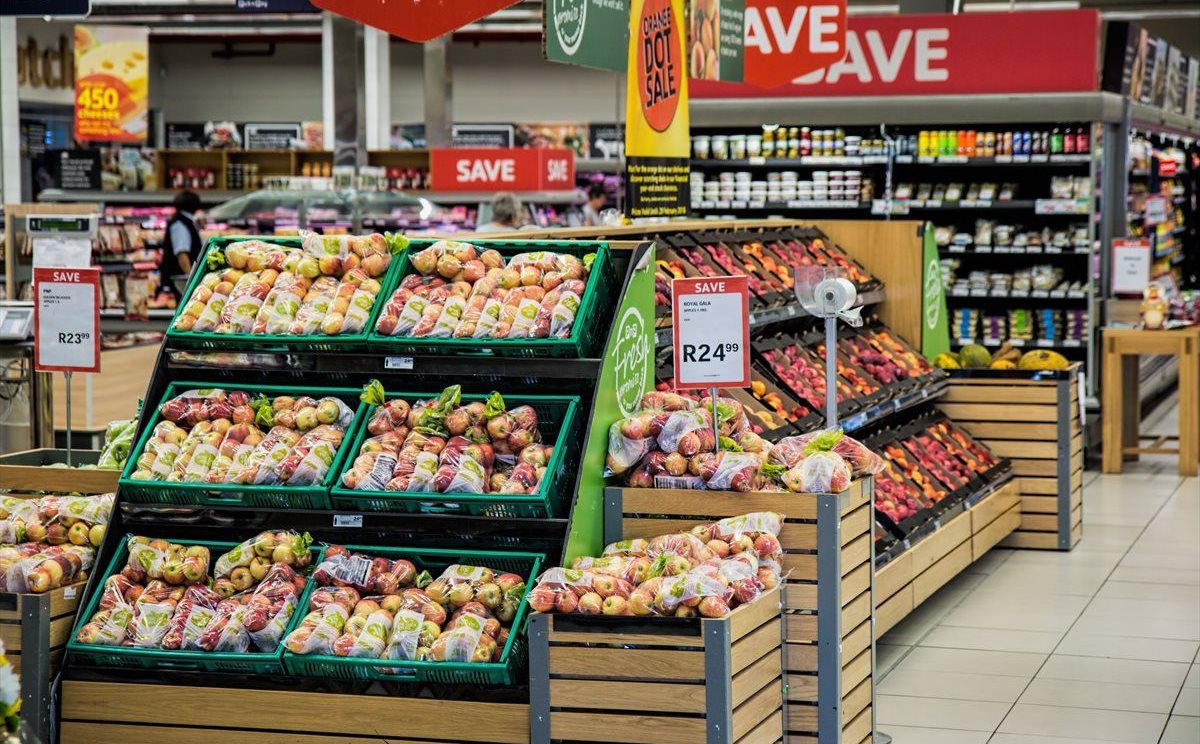
Consumers are benefiting from bumper field crop and horticultural harvests, which have contributed to lower food price inflation even as headline inflation accelerated during the month.
Food inflation continues to ease
Food inflation continued to surprise on the downside after drifting to a 17-month low of 1.6% year-on-year and unchanged month-on-month in May 2026. Consumers are now benefiting from the excellent seasonal production conditions that delivered massive field crops and horticulture harvests.
The data shows prices of 33.3% of the product groups in the food basket decelerating while led by meat, followed by the "oils and fats" and the "sugar, confectionery and desserts" categories.
Meanwhile, the "fruits and nuts" and vegetable product categories remained in deflationary mode for eight consecutive months. Similarly, the cereal product inflation trended in negative territory for four consecutive months to May 2026.
Cereals and meat support lower inflation
Cereal products inflation declined further, down 1.4% year-on-year, while edging up only 0.2% month-on-month. The combination of a bullish domestic and global supply outlook and a stronger rand, both of which continue to exert downward pressure on grain prices, underpins this deflationary trend.
Meat inflation decelerated further to an 11-month low of 7.3% year-on-year, with monthly prices slipping 0.8% month-on-month as seasonal demand weakened amid constrained consumer disposable incomes.
While poultry faced a favourable trading operational environment aided by lower feed costs, beef availability remained constrained. Cattle slaughter data, available up to April 2026, confirmed the downtrend with total volumes for January to April 2026 falling 18.3% compared to September to December 2025, and 14.7% year-on-year relative to January to April 2025.
Fruit and vegetable prices remain under pressure
Vegetable inflation recorded the sharpest drop, falling 4.7 percentage points from April to -6.1% year-on-year in May 2026. Monthly, it decelerated sharply from 4.6% month-on-month previously to just 0.9% month-on-month in May.
We observed a similar pattern in fruits and nuts inflation, which declined by 1.9 percentage points from April to -8.5% year-on-year in May 2026, accompanied by a further monthly deflation of -3.3% month-on-month.
Energy costs remain a risk
Fuel-driven cost pressures, together with renewed interest rate hikes, will continue to erode disposable incomes and weigh on demand prospects.
However, the anticipated moderation in fuel inflation following the announcement of the US-Iran deal bodes well for the overall inflation outlook toward year-end.
About Paul Makube
View my profile and articles...